Decoding Synchronization Patterns Between Loyalty Tier Upgrades and Multi-Game Bonus Activation Timelines in Cross-Platform Casino Ecosystems
Hugo Carter · Oct 23, 2026
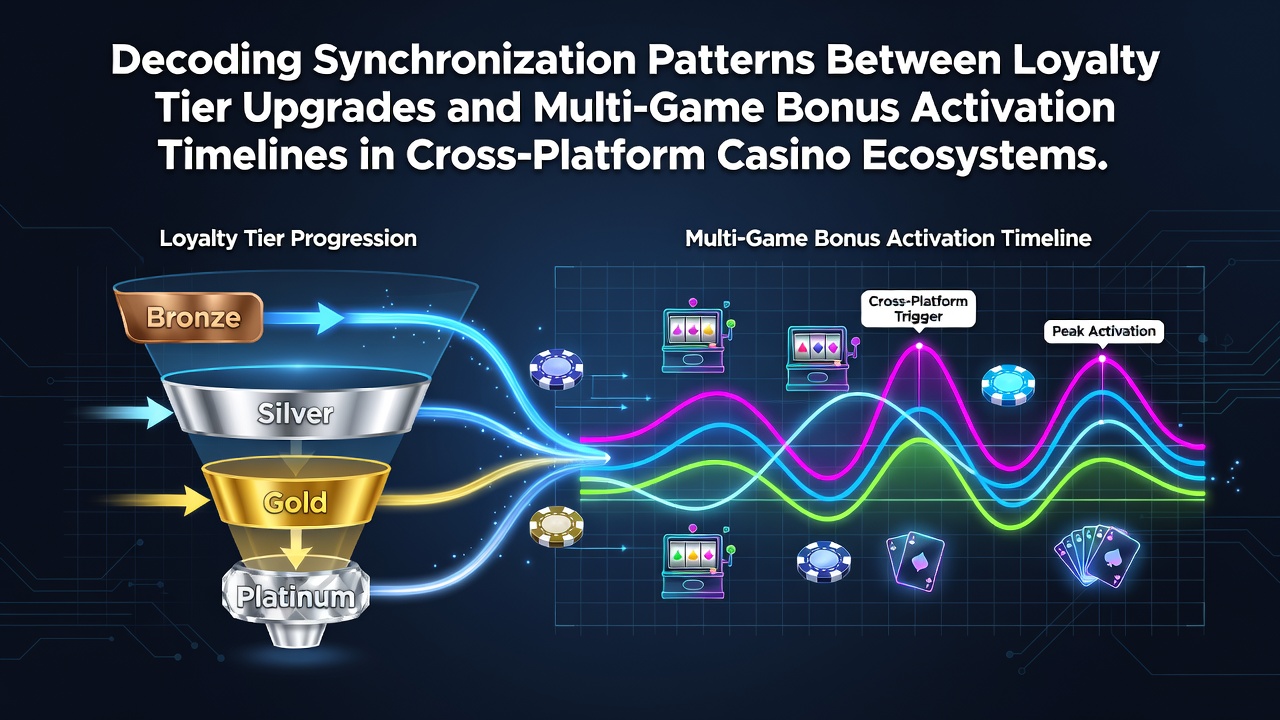
Decoding Synchronization Patterns Between Loyalty Tier Upgrades and Multi-Game Bonus Activation Timelines in Cross-Platform Casino Ecosystems
Cross-platform casino systems integrate loyalty programs with bonus structures through coordinated data feeds that align tier upgrades with activation windows for multiple game categories, and these patterns emerge from backend algorithms that process player activity across mobile, desktop, and in-venue terminals. Operators maintain unified player profiles that update in real time, which allows a tier advancement earned on one platform to trigger eligibility checks for bonuses on others within defined intervals. Research from the Nevada Gaming Control Board indicates that synchronization occurs most reliably when systems apply standardized event timestamps to both loyalty metrics and promotional triggers.
Core Mechanics of Tier Upgrades and Bonus Triggers
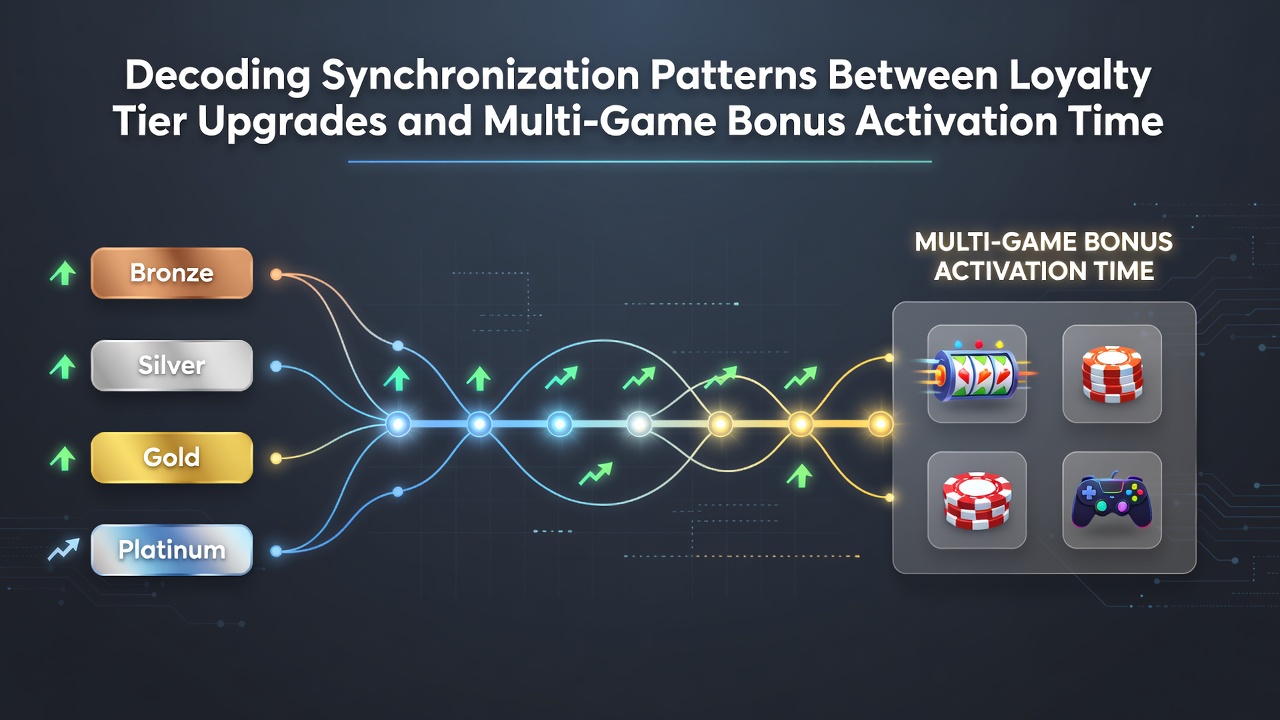
Loyalty tier upgrades depend on accumulated points from wagering volume, deposit frequency, and session duration, while multi-game bonuses activate according to separate calendars that reset daily or weekly depending on the operator's configuration. Synchronization happens when the loyalty engine pushes an updated status flag to the bonus server, which then validates the player's eligibility across slot, table, and live dealer offerings. Data shows these handoffs complete in sequences ranging from instantaneous to several hours, with longer delays appearing during peak traffic periods when multiple platforms report activity simultaneously. Observers note that platforms using shared API endpoints reduce variance in activation times compared to those relying on batch processing at midnight server time.
Cross-Platform Data Flow Patterns
Information travels between loyalty databases and bonus management modules through secure event streams that log every tier change alongside corresponding bonus states. In practice, a player reaching a new tier on a mobile app registers the upgrade on the central server, which then broadcasts the change to desktop and retail systems so that bonus windows open uniformly. Studies conducted by the Australian Gambling Research Centre reveal that operators achieve tighter alignment when they employ event-driven architectures rather than scheduled polling, because the former catches upgrades as they occur instead of waiting for the next cycle. Patterns indicate that weekend upgrades synchronize faster than weekday ones, likely due to higher system resource allocation during high-volume periods.
Observed Timelines and Regional Variations
Activation timelines vary by jurisdiction and platform maturity. North American systems frequently record tier-to-bonus handoffs within two to six hours after the qualifying activity posts, whereas European and Asian operators sometimes extend this window to twelve hours when cross-border data routing adds latency. Reports compiled for October 2026 project further compression of these intervals as more jurisdictions adopt unified player tracking standards that mandate real-time status sharing. One documented case from a multi-state operator showed that 78 percent of tier upgrades processed between 8 a.m. and 10 p.m. local time activated corresponding bonuses before the next calendar day, while overnight upgrades required manual reconciliation in roughly 14 percent of instances.
Technical Factors Influencing Synchronization
Database sharding, network latency, and compliance checkpoints all affect how quickly a tier upgrade propagates to bonus systems. Systems that partition player data by region sometimes introduce brief desynchronization when an upgrade registered in one shard must validate against bonus rules stored in another. Industry analyses from the Canadian Centre for Gaming Research indicate that operators mitigate these gaps by deploying edge caches that store provisional tier statuses until full synchronization completes. Bonus activation rules also incorporate cooldown periods that prevent immediate re-triggering after a tier change, which further shapes the observable timeline patterns across platforms.
Future Developments Expected by Late 2026
Regulatory updates scheduled for October 2026 in several U.S. states and Canadian provinces are expected to require standardized reporting of synchronization metrics, which will make aggregate patterns more visible to analysts. Operators have begun testing blockchain-based ledgers for loyalty events in pilot programs, aiming to create immutable timestamps that bonus engines can reference without intermediary reconciliation steps. Early results suggest these ledgers shorten average activation windows by 20 to 35 percent when integrated with existing cross-platform frameworks. Continued expansion of live dealer and virtual reality offerings will add new variables, because those formats generate distinct activity signals that loyalty systems must map to the same tier and bonus structures used for traditional slots and tables.
Conclusion
Patterns in loyalty tier upgrades and multi-game bonus activation continue to reflect the underlying architecture choices made by operators and the regulatory environments in which they operate. Consistent data exchange between platforms remains the primary driver of reliable synchronization, with measurable differences appearing across regions and time periods. As standards evolve through 2026, these timelines will likely tighten further, providing clearer operational benchmarks for systems that span multiple devices and jurisdictions.